
Food Sovereignty: What It Is and the 6 Pillars That Support It
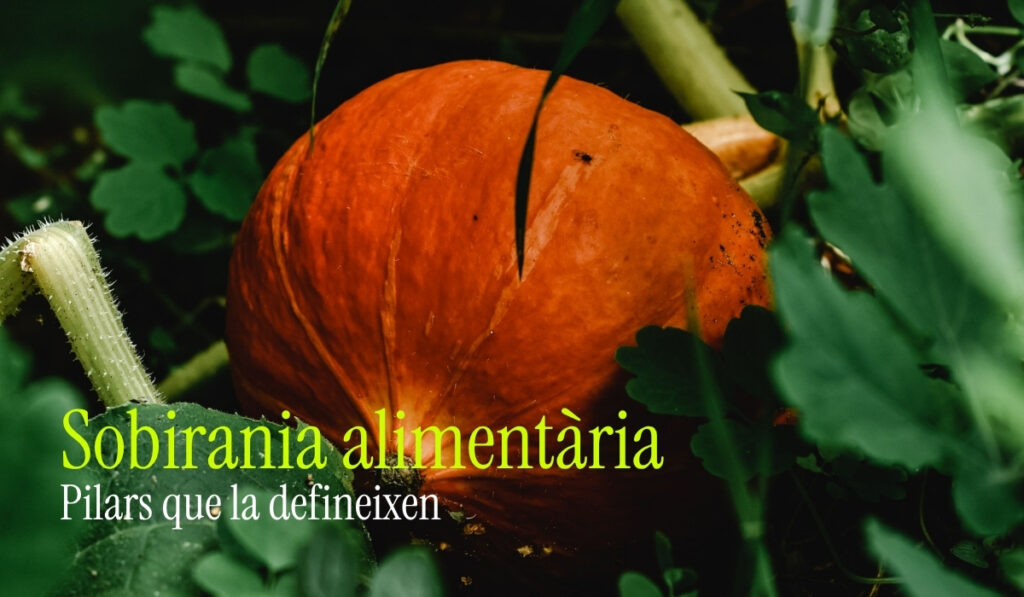
The pillars that define it—and how they resonate with what we do every day at Mescladís
Food sovereignty is the ability of communities to decide how they feed themselves: what foods are produced, how they are produced, and under what conditions they reach those who eat them. It is not just about having access to food, but about having a real say in the system that makes it possible.
The concept was first introduced in 1996, spearheaded by La Via Campesina, and was formalized in 2007 with the Nyéléni Declaration.
In short: food sovereignty rests on six pillars—the craft of those who provide food, from farm to table, those who cook make the decisions, cooking for people, recipes that travel, and caring for those who care for us—which Mescladís puts into practice every day by selecting local suppliers, shortening the supply chain, and allowing the kitchen team to participate in project decisions.
The six pillars that define it
- The work of those who feed us
Recognizes and protects the ways of life of farmers, small-scale fishermen, and shepherds, ensuring fair working conditions. This keeps agricultural biodiversity alive and ensures the transmission of technical knowledge across generations.
At Mescladís: we put this into practice by selecting suppliers such as L’Olivera, Cal Valls, EcoCentral, and Brots EcoSocial. - From Farm to Table
It promotes the shortening of the supply chain by reducing the number of intermediaries between production and consumption. It decreases the carbon footprint of transportation, reduces waste associated with long-term storage, and improves product traceability.
At Mescladís: in our restaurants, we put this into practice by prioritizing local suppliers, with direct relationships that allow us to know the origin of each ingredient. - Who cooks, decides
It transfers decision-making power over the food system to local communities, rather than to actors outside the region. This increases resilience in the face of supply crises and adapts production to actual needs.
At Mescladís: this translates into processes where the people who work in the kitchen participate in project decisions, not just in its execution. - Cooking for People
Places the nutritional and social role of food ahead of market logic, prioritizing access to adequate nutrition over free trade. This reduces malnutrition and prevents price speculation from leaving communities without access to basic foods.
At Mescladís: we put this into practice by aligning our culinary offerings with the creation of decent jobs—feeding people well and generating employment opportunities are part of the same goal. - Recipes That Travel
It is based on the transmission of traditional knowledge, setting aside practices that might replace or erode this accumulated knowledge. This preserves techniques adapted to each region and avoids dependence on patents or ingredients controlled by a few corporations.
At Mescladís: every person who comes to Mescladís brings recipes and techniques from their homeland—knowledge that is integrated into and enriches our cuisine. - Caring for the Earth that cares for us
Prioritizes practices in harmony with natural cycles, rather than methods that deplete resources in the short term. This maintains soil fertility and ensures the availability of resources for future generations.
At Mescladís: in the kitchen, we put this into practice by reducing food waste and making the most of seasonal produce.
It is built every day
Food sovereignty isn’t some distant theory: it’s built every day by those who produce, cook, and eat. Every choice—a local supplier, a recipe that travels, a shared meal—contributes to a more just food system.
At Mescladís, we do this from the kitchen: by providing decent work, valuing the craft of those who work here, and choosing which producers and practices we want to support.
We share a table; we share the world.
SHARE
The most read

Other articles
Become a member
Become a Mescladís member and support our initiatives for a more inclusive and cohesive community.