
Right to a dignified life
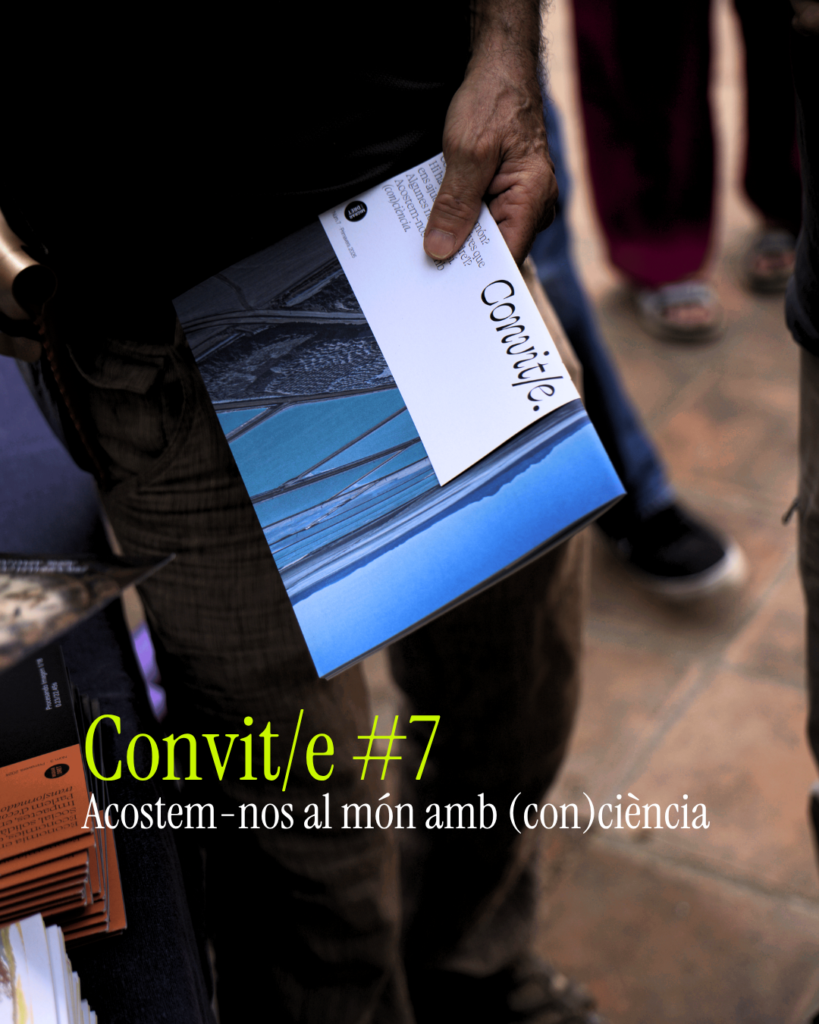
Editorial Revista Convit/e No. 2.
At the beginning of the 20th century, thousands of Europeans sought a better future by emigrating to the Americas. They were fleeing a continent plagued by war, political instability and lack of employment opportunities. Among them was my grandmother Maria, who left her native Asturias at the age of 16. There she was denied access to basic education and was condemned to a life of hardship. She decided to settle in Argentina, which in those years appeared to be a land of opportunities. It was there that she met Clemente, a hardy man who was part of the Basque diaspora. Unlike his sisters, who chose California as their destination, Clemente embarked from the city of Bordeaux to Buenos Aires. Waiting for him was an uncle who offered him an initial support network so that he could take advantage of his peasant experience and make a place for himself in those remote pampas.
At the time, Argentina was experiencing rapid economic growth. However, incoming migrants still faced numerous challenges, such as language and cultural barriers, discrimination and precarious living conditions. It is worth remembering the 1907 tenants' strike, a milestone in Argentina's labor struggles, in protest against abuses by landlords who imposed unjustified rent increases and maintained precarious real estate conditions. In spite of everything, many of those migrants managed to get ahead.
Maria and Clemente married and had three children. The youngest, my father, would later marry a woman of Italian migrant descent. The Emiliani were among those who arrived from northern Italy, who were derogatorily called polentoni, which literally means 'polenta eaters', a food widespread in the humble cuisine of northern Italy and which, due to its nutritional poverty, had dire repercussions on health.
In short, my family is part of those more than 55 million Europeans who, towards the end of the 19th and beginning of the 20th century, left for new lands, exercising their right to fight for a dignified life. Many years later, it was my turn to make the journey back to my origins.
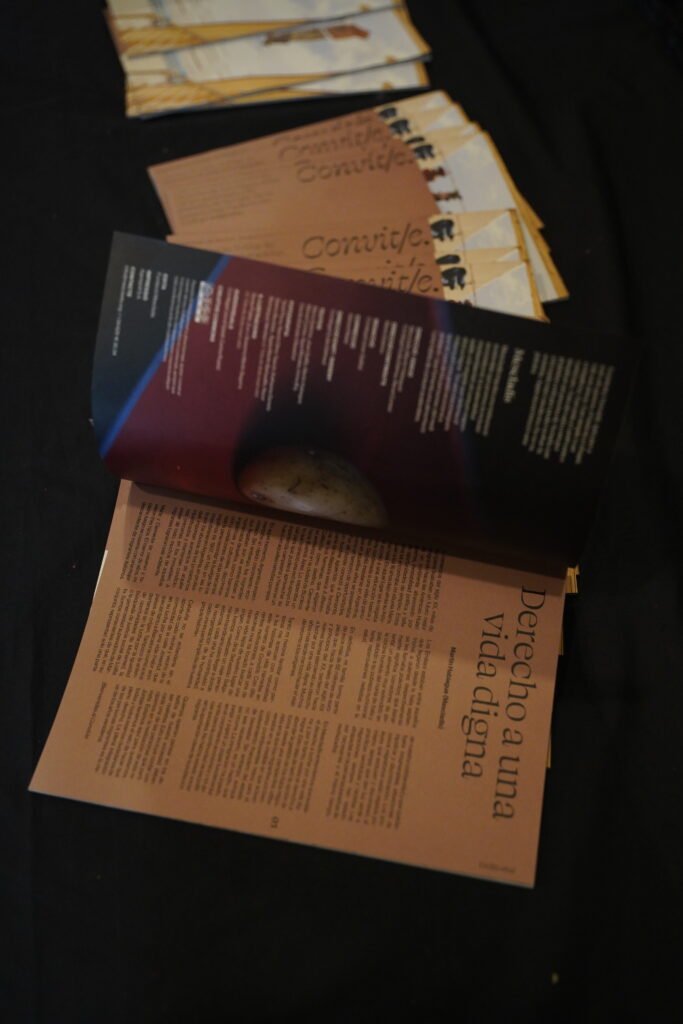
Both my family and personal history bring me naturally close to the life stories narrated in this issue of Convit/e. With different motivations, each of us has had to seek a new life far from our place of origin. As Sebastião Salgado would say, we have "made an extraordinary personal journey to get to where we are, each of us has contributed to the reorganization of humanity, each of us is an implicit part of our own history".
Catalonia would not be understood without the contribution of every neighbor of the Joventut street community, who in their struggle for a better life enrich both Barcelona and their countries of origin. Nor would we understand it without Mohamed's fight for equal opportunities, Lolita's search for social justice or Marta's overcoming generosity. We are aware that, as a whole, they represent only a part of our daily lives and that countless situations of injustice and discrimination are left out. Migratory processes are governed by laws that exclude and discriminate, while giving the green light to xenophobic and racist practices. Migrations have always been trapped in the perverse paradox of being necessary and, at the same time, rejected.
At Mescladís we understand that there is a right to fight for a dignified life and, therefore, there is a right to migrate. This leaves aside the option of approaching the management of migratory flows from a utilitarian perspective in which migrants are welcome as long as they act as net contributors to the financial support of the welfare state. However, although it is not necessary, it is a fact that this is the case. Immigration has played, plays and will play a fundamental role in economic growth and is a guarantee for the continuity of social policies. There would be no social state without the key contribution of the migrant population.
Those who want to think about the challenges facing our society must be realistic. This includes counting on each and every one of us who participated in the making of this magazine. We are here to stay. Together we have the challenge of making all of us full citizens. The full integration of migrants is the key to the years ahead.
Welcome to the Convit/e!
Martin Habiague
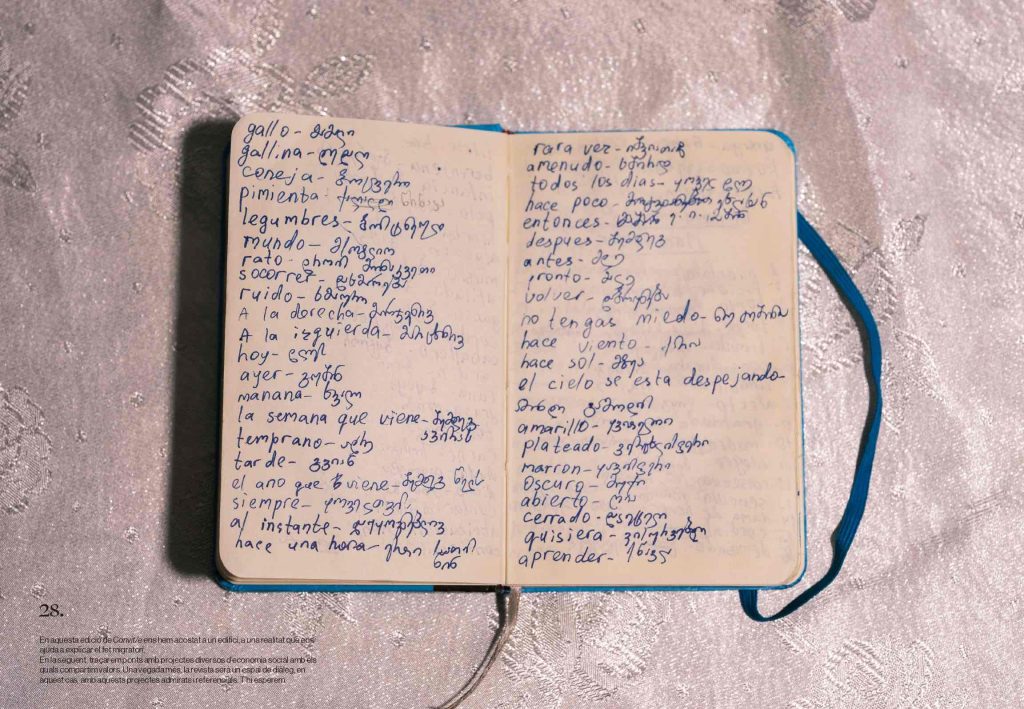
Photography Tanit Plana, Naomi Olmo Tascón, Katherine Daniela Saenz Bautista, Ágata Martín Barbadillo, Nazar Romanyuk Nikolaev
SHARE
The most read
Other articles
Become a member
Become a Mescladís member and support our initiatives for a more inclusive and cohesive community.