
Gastrorecup 2026: Giving Food a Second Chance, From Farm to Table
A surplus of melons, a small village threatened by the rains, and a culinary offering that reminds us that behind every food item there is a story worth telling
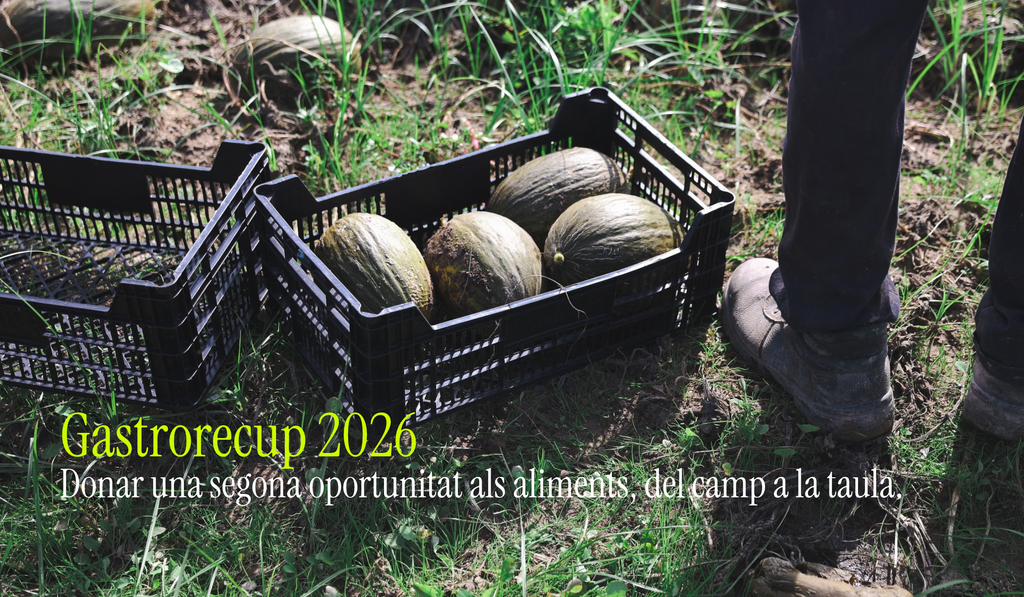
Gastrorecup: When Gastronomy Becomes a Tool for Transformation
Every year, tons of food that is perfectly safe to eat are removed from the commercial market. Sometimes this is because it does not meet certain aesthetic standards; other times, it is due to overproduction that exceeds market demand. This food required land, water, time, and labor to reach this point, and all too often, it ends up going uneaten.
In light of this reality, Gastrorecup was launched—an initiative spearheaded by chef Ada Parellada, with the support of the Department of Agriculture, Livestock, Fisheries, and Food of the Government of Catalonia, as part of the “Let’s Make the Most of Our Food” campaign.
In 2026, Gastrorecup will celebrate its fifth edition, from September 29 to November 1, with the participation of more than a hundred restaurants from all over Catalonia. The goal is as simple as it is necessary: to demonstrate that food discarded by the commercial distribution chain—yet still retaining its quality and food safety guarantees—can be transformed into creative, surprising, and valuable culinary offerings.
The initiative invites restaurants to turn the usual way of thinking about a menu on its head. Instead of first deciding what to cook and then looking for the ingredients, the process starts with the available salvaged food. It is the cuisine that adapts to the product, not the other way around.
At Mescladís, we are joining this initiative because we share the same conviction: gastronomy is not only about feeding people, but also about raising awareness, building relationships, and transforming realities.
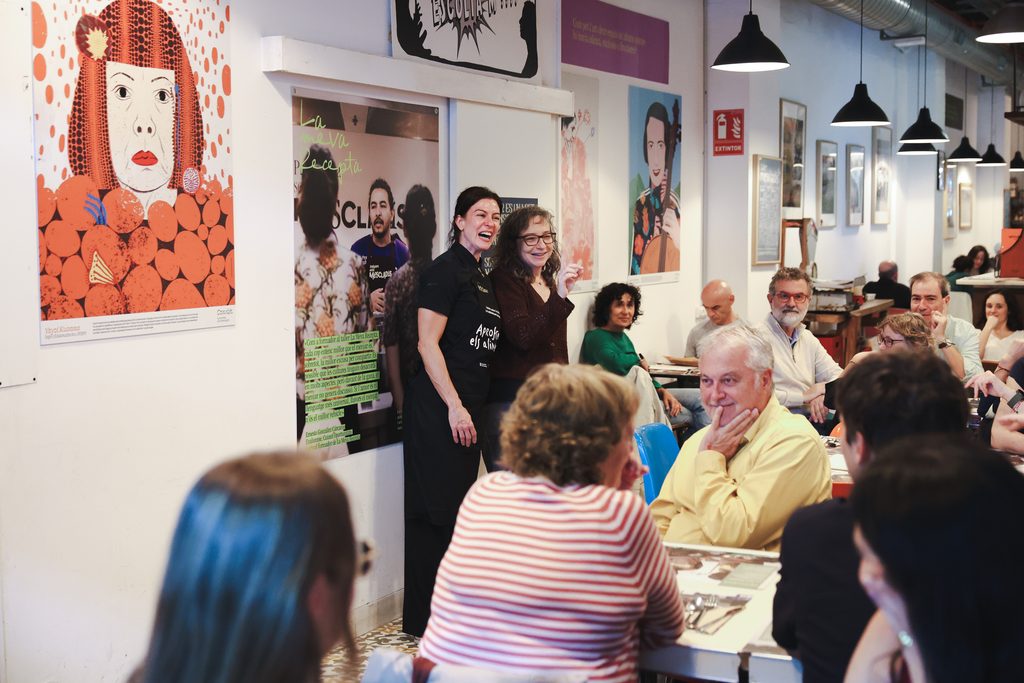
A visit to the farm to learn what goes into our food
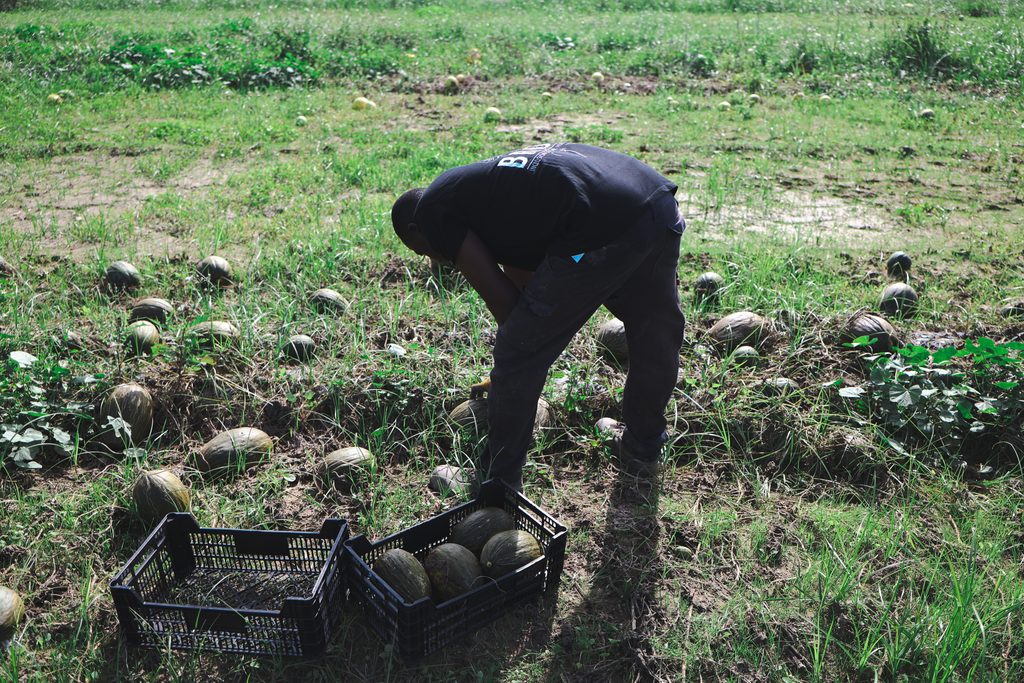
Our participation in Gastrorecup 2026 took us out to the countryside, where we visited a farmer affiliated with Brots Ecosocial, one of our suppliers.
There, we gained firsthand insight into a reality that is often hidden from restaurant tables: the vulnerability of agricultural production to weather conditions and market dynamics.
On this occasion, the focus was on melons. An oversupply had left part of the harvest with no commercial outlet, while the heavy rains of the past few weeks in Catalonia had accelerated the deterioration of some of the fruit. The result was a batch that was at risk of being discarded.
The visit allowed us to salvage melons that were still in good condition for consumption and, above all, to get a closer look at the reality of those who work the land.
Because when food is wasted, it's not just the product that's lost. The resources invested in growing it, the hours of work, and the effort of the people who grew it are also wasted.
Rescuing these melons has been a way to recognize this work and to show that, by looking at things differently, it is still possible to give value to what the food system was about to discard.
From Recovered Honey to a Culinary Concept
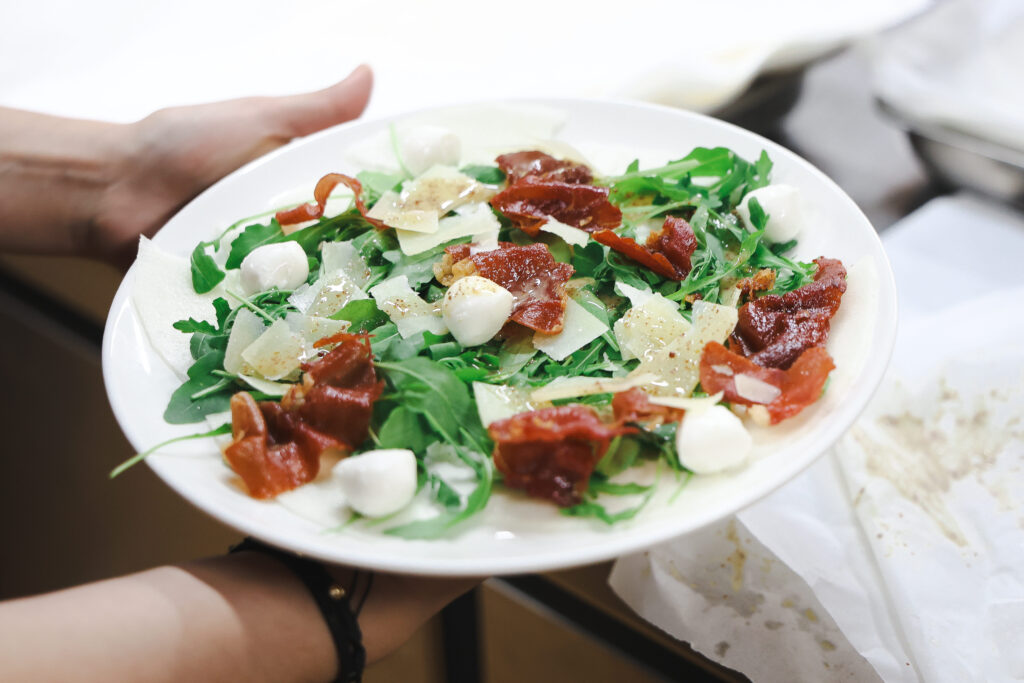
Using the salvaged melons as a starting point, our kitchen team has worked to transform this ingredient into a variety of dishes, exploring its textures, freshness, and culinary possibilities.
For the special Gastrorecup menu, we’ve created a watermelon carpaccio with crispy ham, mozzarella balls, and shavings of Grana Padano. This dish combines the natural sweetness of the fruit with the salty contrast of the ham and cheeses, transforming a simple ingredient into a fresh appetizer full of nuanced flavors.
However, we didn't stop there. During that same week, the salvaged melon also became part of our regular menu through two additional dishes: a melon mojito as an appetizer and a melon slushie for dessert.
Three different ways of interpreting the same ingredient and the same goal: making the most of the available ingredients without compromising on flavor, quality, or creativity.
This exercise reminds us that cooking with leftovers isn't simply about using up what's left over. It's about looking at ingredients from a different perspective, recognizing their potential, and finding new ways to make the most of them.
Beyond the Plate: Rethinking Our Relationship with Food
Participating in Gastrorecup is also an opportunity to reflect on the contradictions of our food system.
We live in a society where food continues to be thrown away while many people struggle to access adequate nutrition. At the same time, producers must deal with the consequences of overproduction, market pressures, and weather events that can jeopardize entire harvests.
At Mescladís, we view sustainability as a responsibility that goes beyond reducing waste. It also involves asking ourselves where our food comes from, who produces it, under what conditions it reaches our kitchens, and what impact our decisions have.
That is why initiatives like Gastrorecup seem particularly valuable to us. They connect the countryside with the restaurant industry, raise public awareness of the issue of food waste, and demonstrate that the culinary sector can play an active role in the solution.
Collaboration with producers and suppliers such as Brots Ecosocial is essential for moving toward this model: a more conscious approach to gastronomy, rooted in the local area and committed to the people who are part of the entire food chain.
A second chance that begins with a decision
Those melons that were about to go bad ended up becoming dishes shared around a table.
It's a small step in the face of an enormous challenge, but it's also a sign of what we can achieve when we decide to do things differently.
Through our participation in Gastrorecup 2026, we reaffirm Mescladís’ commitment to a cuisine that conserves resources, recognizes the work of producers, and views food as a tool for social transformation.
Because making the most of food is also a way of showing respect for everything that has made it possible for it to end up on our plate.
SHARE
The most read
Other articles
Become a member
Become a Mescladís member and support our initiatives for a more inclusive and cohesive community.