
Migrant City: Discovering Barcelona through the eyes of its residents.
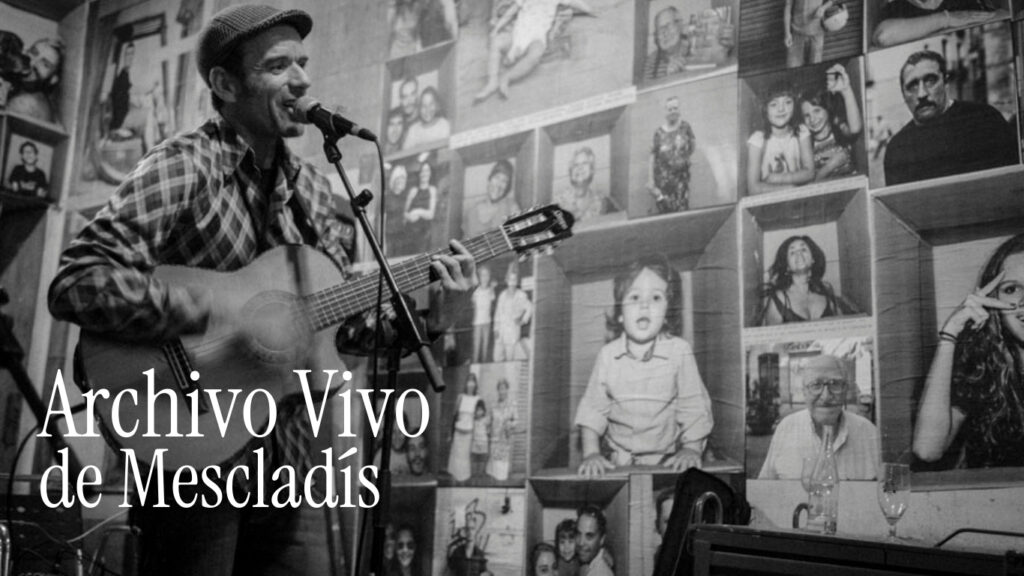
Barcelona has historically been a place of movement. From the internal migrations of the 20th century to the international movements of recent decades, the city has grown by welcoming new communities that settle in its neighborhoods, invigorate the economy, and transform the cultural landscape.
However, this diversity has not always been reflected in the city’s official narrative. It is precisely in this context that Ciudad Migrante emerged, a project we are highlighting today to rethink the city from different perspectives.
THE PROJECT
For years, Barcelona has defined itself as a welcoming city, although that idea has rarely been shaped by the voices of those who arrive there. Ciudad Migrante was created to provide that space: a place where art, thought, and the migrant experience come together, from which to rethink the city through the lens of its diverse human stories.
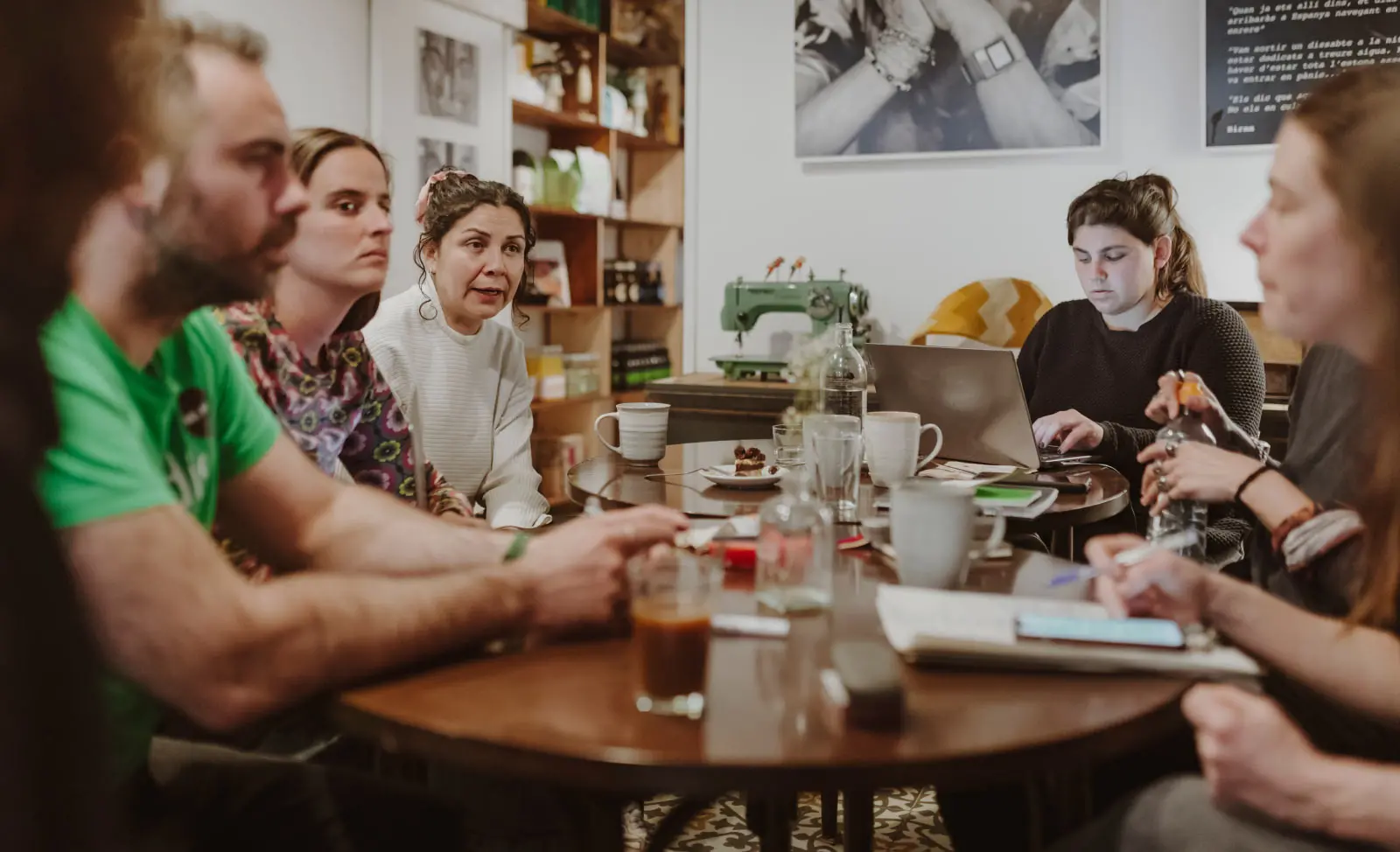
Organized by Mescladís in collaboration with the MhiC – Museum of the History of Immigration in Catalonia, Ciudad Migrante took shape as a cultural laboratory that brought together creators, researchers, and local residents to reflect on how a city inhabited by people from other places is transformed—and how it is cared for.
The project proposed something as simple as it was transformative: listening to the city through the voices of those who are rebuilding it every day. In doing so, it sought to strengthen the social fabric, foster integration, and promote mutual recognition.
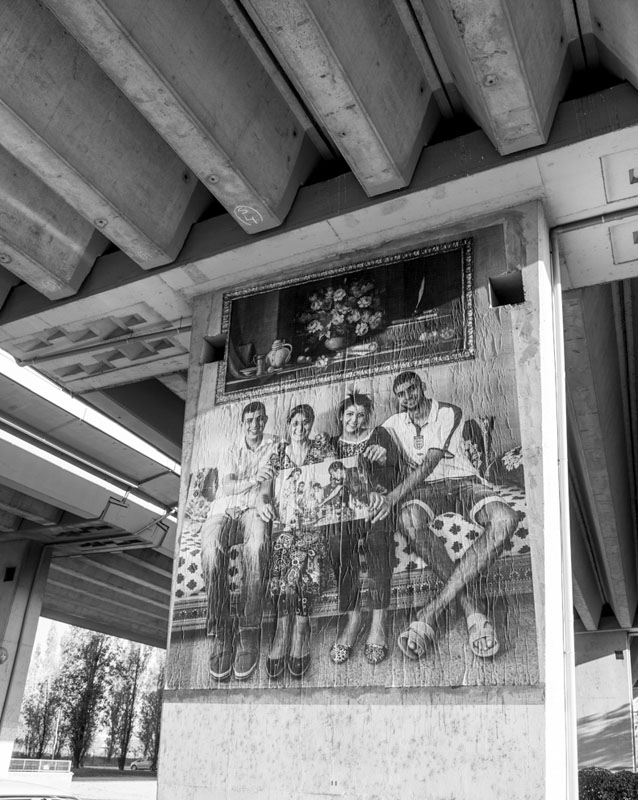
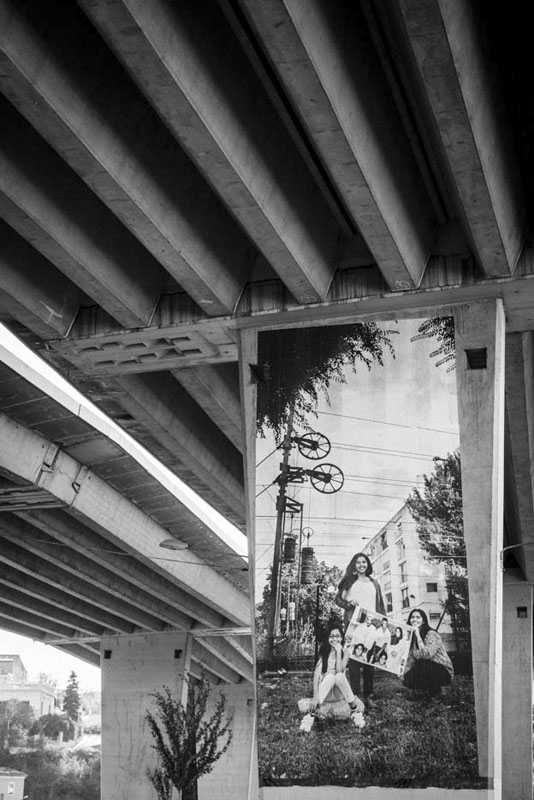
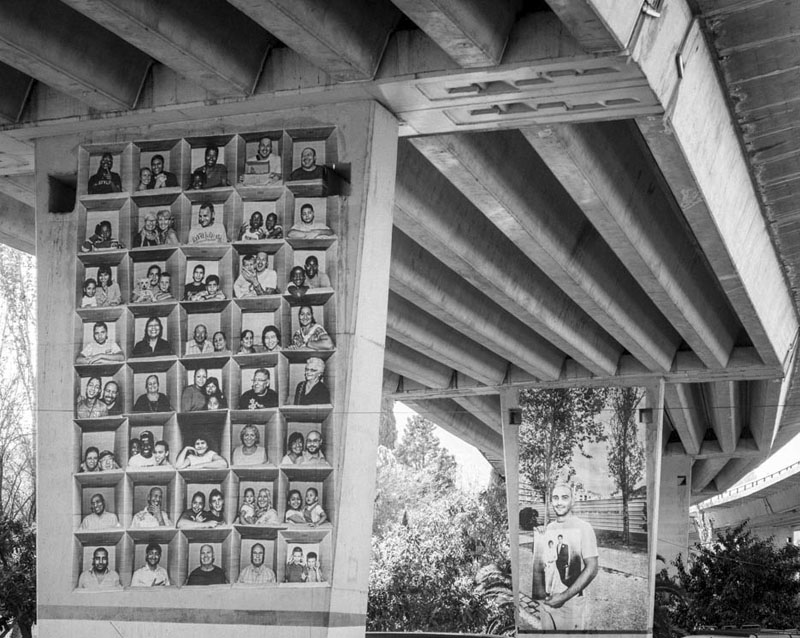
A cultural laboratory for reimagining the city
Ciudad Migrante was conceived as a platform to explore the relationship between migration, culture, and urban space.
What happens when we consider the city from the perspective of migration patterns?
Far from treating migration solely as a social or demographic phenomenon, the project viewed it as a cultural experience capable of transforming the urban imagination.
The initiatives launched by the program and its participants revealed a diverse Barcelona: a city shaped by accents, memories, and life stories that rarely align on a single map, yet coexist and define what we share.
When the city changes its perspective
One of the project's most significant contributions was the shift in perspective.
Instead of talking about migrants, Ciudad Migrante created spaces for migrants to speak for themselves.
This seemingly subtle change had profound effects:
— It transformed the narrative
— It challenged cultural hierarchies
— It brought to light networks of solidarity and coexistence that often remain invisible
The city appeared at that time as a place in constant flux, where neighborhoods reinvent themselves through everyday activities: markets, kitchens, community groups, cultural spaces, languages, and gatherings.
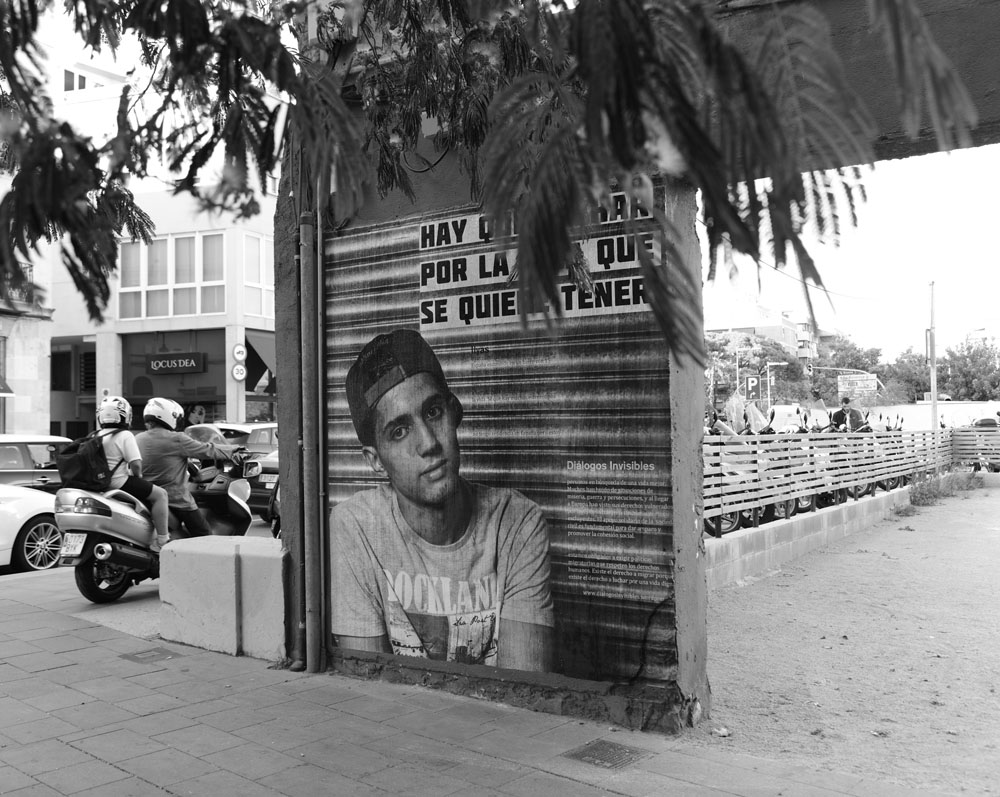
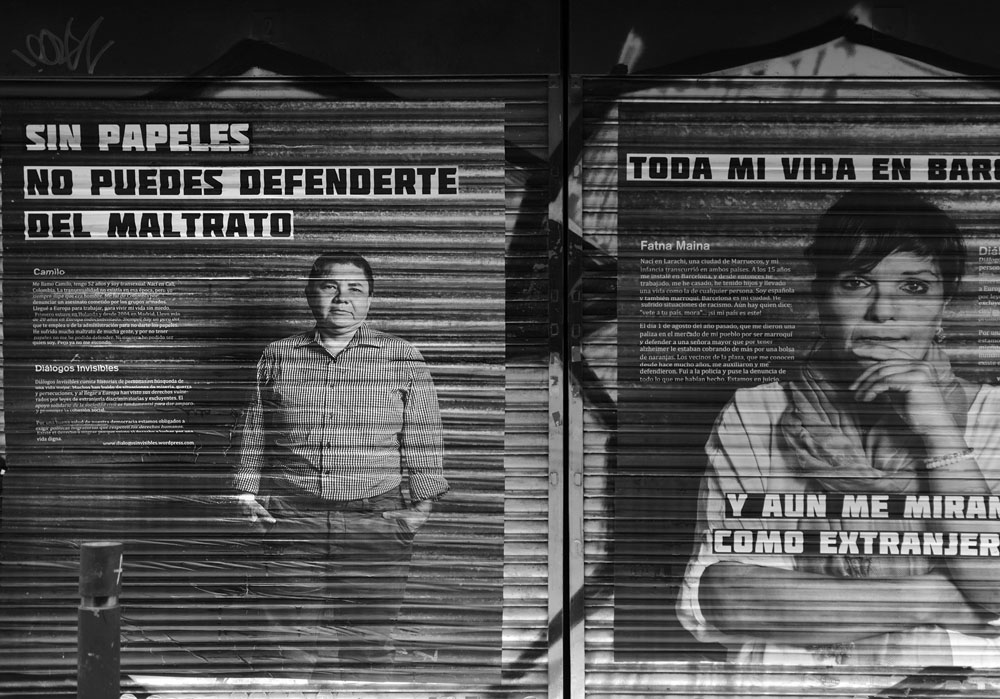
Beyond the Project: An Open Conversation
The questions that inspired *Ciudad Migrante* remain just as relevant today.
Barcelona continues to face the challenges typical of major global cities: urban inequality, economic transformation, international mobility, gentrification, and changes in the social makeup of its neighborhoods.
Revisiting the Ciudad Migrante archive today means revisiting a conversation that remains open. The experiences, discussions, and materials it has generated are part of a cultural memory that is key to understanding how the city has been transformed by those who arrive, those who stay, and those who build community in its streets.
In this context, Ciudad Migrante is not merely a project of the past, but a tool for the present. It reminds us that diversity is not just a demographic fact, but a cultural and political opportunity to envision the city in a different way.
Because cities—and the people who live in them—are best understood when all voices are heard and everyone has a place.
CIUDAD MIGRANTE WEBSITE - https://ciudadmigrante.org/
SHARE
The most read
Other articles
Become a member
Become a Mescladís member and support our initiatives for a more inclusive and cohesive community.